
- You are here:
- Home »
- Blog »
- Gardening Tips »
- The Best Plants for a Bird-Friendly Garden: A Seasonal Guide
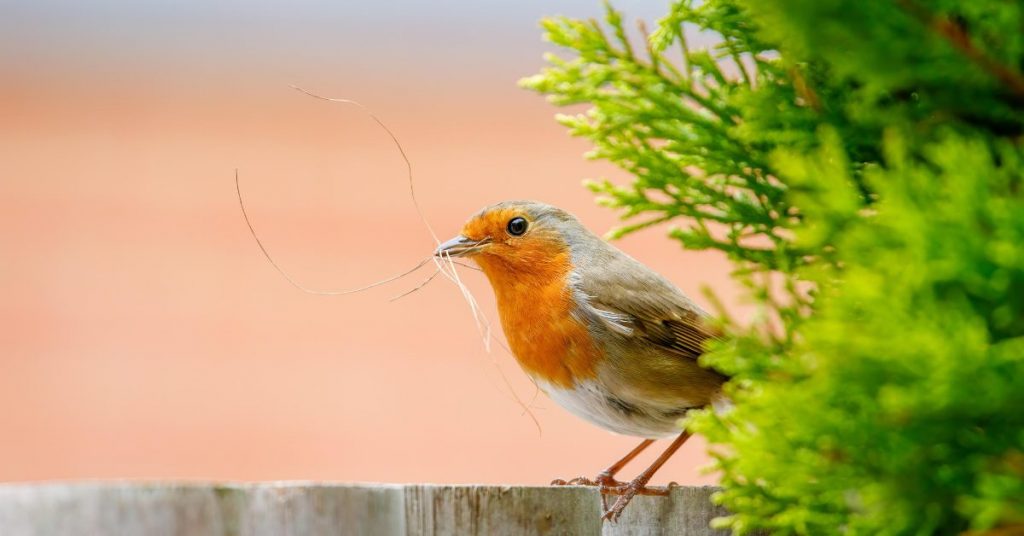
The Best Plants for a Bird-Friendly Garden: A Seasonal Guide
Walk into any garden centre in spring and you will find an aisle dedicated to bird care: feeders, seed mixes, fat balls, mealworms. The assumption is that attracting birds to your garden requires equipment. It does not. The most powerful tool for bringing birds into your garden is the garden itself.
More...
A well-planted garden does what no feeder can do alone. It provides food, shelter, nesting sites, and insect life across all four seasons. Feeders are supplements. Plants are infrastructure. This guide walks you through exactly what to plant, when, and why, so your garden supports birds from January to December.
Why Plants Beat Feeders (Most of the Time)
Feeders are convenient. Fill them, hang them, and birds show up. But they have limitations. Seed gets wet and moulds. Squirrels raid them. They attract a narrow range of species, mostly seed-eaters. And they do nothing for nesting, shelter, or the insect population that insectivorous birds depend on during breeding season.
Plants solve all of these problems simultaneously. A holly bush feeds blackbirds in winter, shelters wrens year-round, and hosts caterpillars that blue tits feed to their chicks in spring. One shrub. Four functions. No refilling required.
The goal is not to replace your feeders. It is to build a garden that works even when the feeder runs empty.
Winter: Berry-Producing Shrubs and Trees
Winter is the hardest season for garden birds. Insects are dormant, seeds are scarce, and energy demands are high. Berry-producing plants are the single most important winter food source, and they also provide structural shelter against cold winds and rain.
| Plant | Birds It Attracts | Key Features |
| Holly (Ilex aquifolium) | Blackbirds, thrushes, redwings, fieldfares | Evergreen; berries last through February; dense shelter |
| Cotoneaster | Blackbirds, robins, waxwings | Prolific red berries in autumn/winter; low maintenance; wall-trained varieties for small gardens |
| Pyracantha (Firethorn) | Blackbirds, thrushes, starlings | Thorny branches deter cats; heavy berry crops; excellent nesting cover |
| Ivy (Hedera helix) | Robins, wrens, blackcaps, woodpigeons | Late-winter berries (Feb-Mar); nectar for early bees; dense shelter; climber suits any wall or fence |
| Rowan (Sorbus aucuparia) | Blackbirds, thrushes, starlings, fieldfares | Compact tree for smaller gardens; heavy berry crops; good spring blossom |
Plant at least two different berry-producing species. Different berries ripen at different times, which spreads the food supply across the winter months rather than concentrating it into a single glut.
Autumn: Seed-Producing Plants
Many gardeners make the mistake of deadheading everything in September. If you want birds in autumn, leave the seed heads standing. The natural seed crop from a handful of perennials and grasses will feed finches, sparrows, and buntings from late summer through to the first hard frost.
- Teasel (Dipsacus fullonum): Goldfinches will spend hours working the seed heads. A single teasel plant can feed a small flock for weeks. Let it stand through winter.
- Sunflowers (Helianthus annuus): Leave the heads on the stalk after flowering. Greenfinches and tits will pick them clean.
- Echinacea and Rudbeckia: Their cone-shaped centres hold seeds that finches extract with surgical precision.
- Evening primrose (Oenothera): Tiny seeds attract goldfinches and siskins. Self-seeds freely, so plant it once and it returns.
- Ornamental grasses (Miscanthus, Panicum): Seeds attract sparrows and buntings; the foliage provides winter cover.
The rule is simple: if it produces seeds, do not cut it back until early spring. Your garden may look messier through winter, but it will be alive with birds.
Spring and Summer: Insect-Attracting Plants
This is the category most gardeners overlook. Insectivorous birds like blue tits, great tits, robins, and wrens do not eat seeds. They eat caterpillars, aphids, spiders, and beetles. To attract them during breeding season, when their protein demands peak, you need plants that host insects.
This is not about planting a bug hotel. It is about choosing plants that are part of the native food web.
- Native trees are the heavy lifters. A single mature oak supports over 280 species of insect. Silver birch supports over 230. Hawthorn supports over 150. Even a small hawthorn hedge will host enough caterpillars to feed a brood of blue tits.
- Nettles (Urtica dioica): Controversial, but worth it. A small controlled patch of nettles is the primary food plant for peacock, small tortoiseshell, and red admiral butterfly caterpillars, all of which are bird food.
- Native wildflowers: Knapweed, bird's-foot trefoil, oxeye daisy, and scabious attract pollinators whose larvae become bird food. A one-metre-square wildflower patch is enough to make a difference.
- Herbs left to flower: Thyme, oregano, and mint, when allowed to flower, attract hoverflies and small bees. Their larvae feed wrens and dunnocks.
Year-Round: Shelter and Nesting Plants
Birds need more than food. They need somewhere to hide from predators, shelter from weather, and raise their young. The best shelter plants are dense, thorny, or both.
- Hawthorn (Crataegus monogyna): The ultimate all-rounder. Berries in autumn, dense thorny branches for nesting, insect-rich foliage in spring. If you plant only one thing for birds, plant hawthorn.
- Yew (Taxus baccata): Dense evergreen foliage provides year-round cover. Nesting birds favour it for its impenetrable structure. Berries are eaten by thrushes and blackbirds.
- Honeysuckle (Lonicera periclymenum): A climber that creates dense tangled cover. Flowers feed insects, berries feed birds. Ideal for fences and walls.
- Privet (Ligustrum vulgare): Often dismissed as boring, but native privet hedging is a nesting hotspot. Blackbirds and song thrushes regularly nest in mature privet hedges.
Seasonal Planting Calendar
| Season | What to Plant | Maintenance |
| Spring (Mar-May) | Sow wildflowers, plant hawthorn hedge, establish nettle patch | Leave last year's seed heads standing; install nest boxes before March |
| Summer (Jun-Aug) | Plant lavender and herb borders; let lawns grow longer in sections | Water new plantings; keep bird baths full and clean |
| Autumn (Sep-Nov) | Plant berry shrubs and trees; sow teasel and evening primrose | Do not deadhead; leave seed heads on perennials |
| Winter (Dec-Feb) | Plant bare-root hedging and trees | Cut back only what you must; leave ivy and undergrowth intact |
Where Feeders Fit Into a Plant-First Garden
The plant-first approach does not mean getting rid of feeders. It means using them to fill the gaps your plants cannot cover.
Supplementary feeding: Even the most densely planted garden will have lulls between berry crops or during extreme cold snaps. A reliable feeder fills those gaps. Choose well-designed bird feeders with proper drainage to keep seed dry in wet weather. Mouldy seed is worse than no seed at all.
Many brands produce feeders specifically engineered for damp conditions, with drainage ports, weatherproof materials, and designs that prevent seed from clumping. If you are going to use feeders alongside your planting, it is worth investing in ones that will not need constant cleaning and replacement.
- Use different feeder types for different birds. Tube feeders for finches, tray feeders for blackbirds and robins, suet cages for tits. Match the feeder to the species your plants are already attracting.
- Position feeders near cover, not in the open. Birds will not visit a feeder that leaves them exposed. Place it within two metres of a dense shrub or hedge.
Protecting Vulnerable Areas
A bird-friendly garden does not mean surrendering every square inch to wildlife. You can have a productive vegetable patch, a neat lawn, and a bird-rich garden simultaneously. It requires strategic thinking rather than all-or-nothing choices. We have covered how to keep birds away from grass seed when establishing a new lawn, and the same principle applies here: use targeted deterrents on the specific areas you want to protect, while making the rest of the garden irresistible.
Net soft fruit bushes during the ripening window. Cover freshly sown seedbeds with fleece. Accept some nibbled leaves on your ornamentals. The net result, across a full growing season, will be fewer pests and healthier plants. The birds will be doing more good than harm.
Getting Started: The Five-Plant Minimum
If this all sounds like a lot, here is a starting point. Plant these five things and you will see a measurable increase in bird activity within one growing season:
- One hawthorn hedge section (berry + insect + shelter in one plant)
- One cotoneaster against a wall or fence (winter berries + cover)
- One patch of teasel left standing through winter (seed for finches)
- One metre-square wildflower patch (insect food web)
- One ivy on a north-facing wall (late-winter berries + nesting shelter)
That is it. Five plants. No feeders required for the first season. Add a feeder later if you want to supplement the natural food supply, but start with the garden itself.
One final point worth making: healthy plants come from healthy soil, and healthy soil supports more insect life, which supports more birds. If you want to maximise the impact of your bird-friendly planting, the quality of your soil is the foundation everything else depends on. We have covered some unconventional approaches to supercharging garden soil that can dramatically improve the health and resilience of everything you plant. A bird-friendly garden starts below ground.
Birds do not read gardening books. They do not care about RHS awards or designer cultivars. They care about food, shelter, and safety. Give them those three things through your planting, and they will find your garden on their own.
About the Author Laura Bennett
Hello, I’m Laura Bennett. I love nature especially when it comes to flowers and different kinds of plants. I started a very small garden behind my house and I named it Humid Garden. So, I created this blog to provide aspiring and inspiring thoughts about gardening for gardeners and anyone who has the intention of keeping a garden.
Related Posts
29 Aug, 2023Easy Steps To Plant Your First Indoor Garden
08 Jul, 2023Growing Your Own Herbs and Vegetables in Used Wooden Barrels
18 Apr, 2023Best Type of Roofing for Your Greenhouse
03 Apr, 20235 Things You Should Know Before You Start Hydroseeding
20 Nov, 20225 Things to Consider Before Choosing Shade Cloth for Greenhouse

