
- You are here:
- Home »
- Blog »
- Pests, Diseases & Weed Control »
- 5 Tips to Keep Animals Out of Your Garden

5 Tips to Keep Animals Out of Your Garden
Your garden should be a place of beauty and a point of pride for your home. Keeping unwanted creatures and unsavory critters from ruining it can seem like a full-time job. These tips can help you save your landscape and prevent future threats from taking over your garden's bounty.
More...
#1. Know What You're Up Against
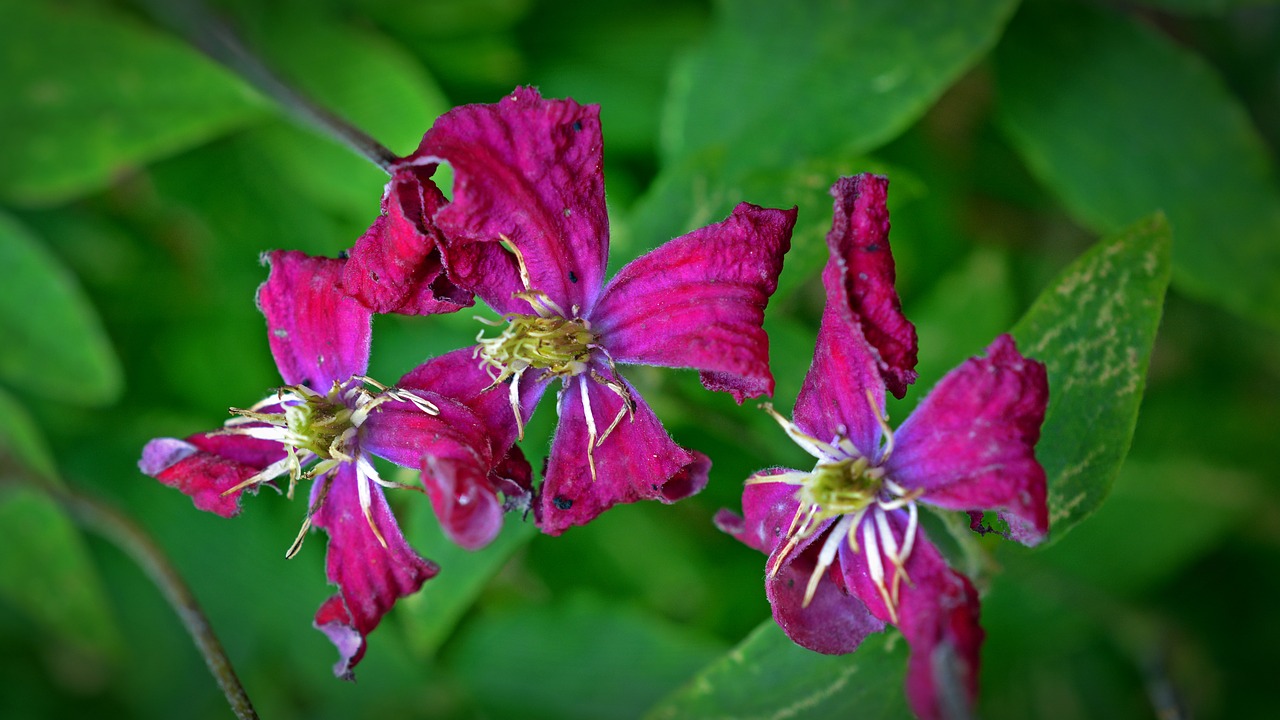
The first step in any plan involves identifying what the problem is and who is causing it. Take a look through your damaged plants and examine them carefully. Visible clues like the patterns of holes in a leaf can tell you what bugs might be snacking on your foliage.
Mottling and wilting can point to compromised soil, which means something underground is sucking up all the nutrients. Flattened or trampled plants hint at larger critters as the culprit, like cats, raccoons or even deer as they step through the garden looking for things to nibble on.
#2. Get Rid Of What They Like
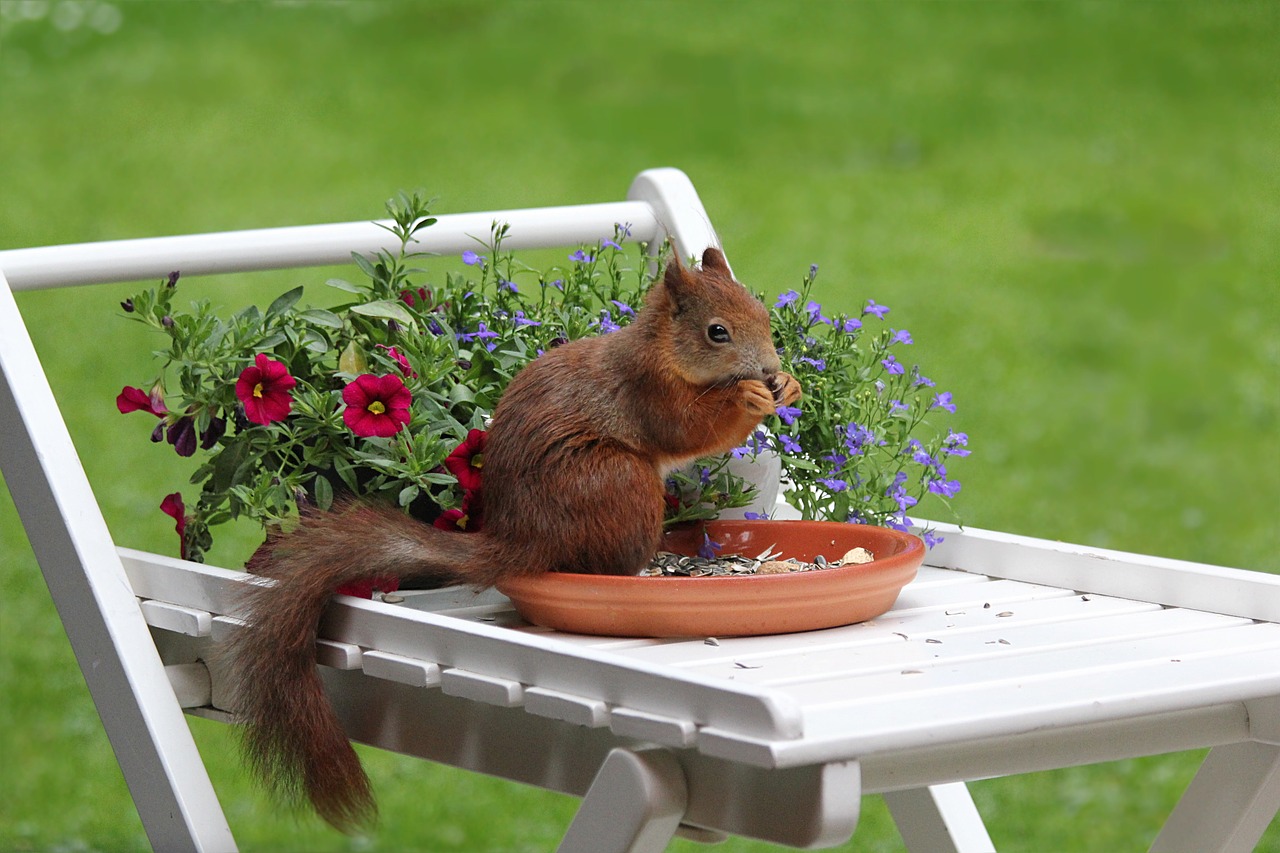
Removing their food sources or reducing their opportunities to feel comfortable in your garden can be very difficult to achieve, but it pays off over time. When you make your garden less habitable for bugs and animals, you can save yourself a lot of maintenance and hassle.
In the case of warm-blooded creatures, this can mean arranging your garden in a way that makes it too hard for them to hide while they munch on their stolen goods. For insects, companion plants that act as natural deterrents can be planted around the ones they target.
#3. Barriers Both Great And Small
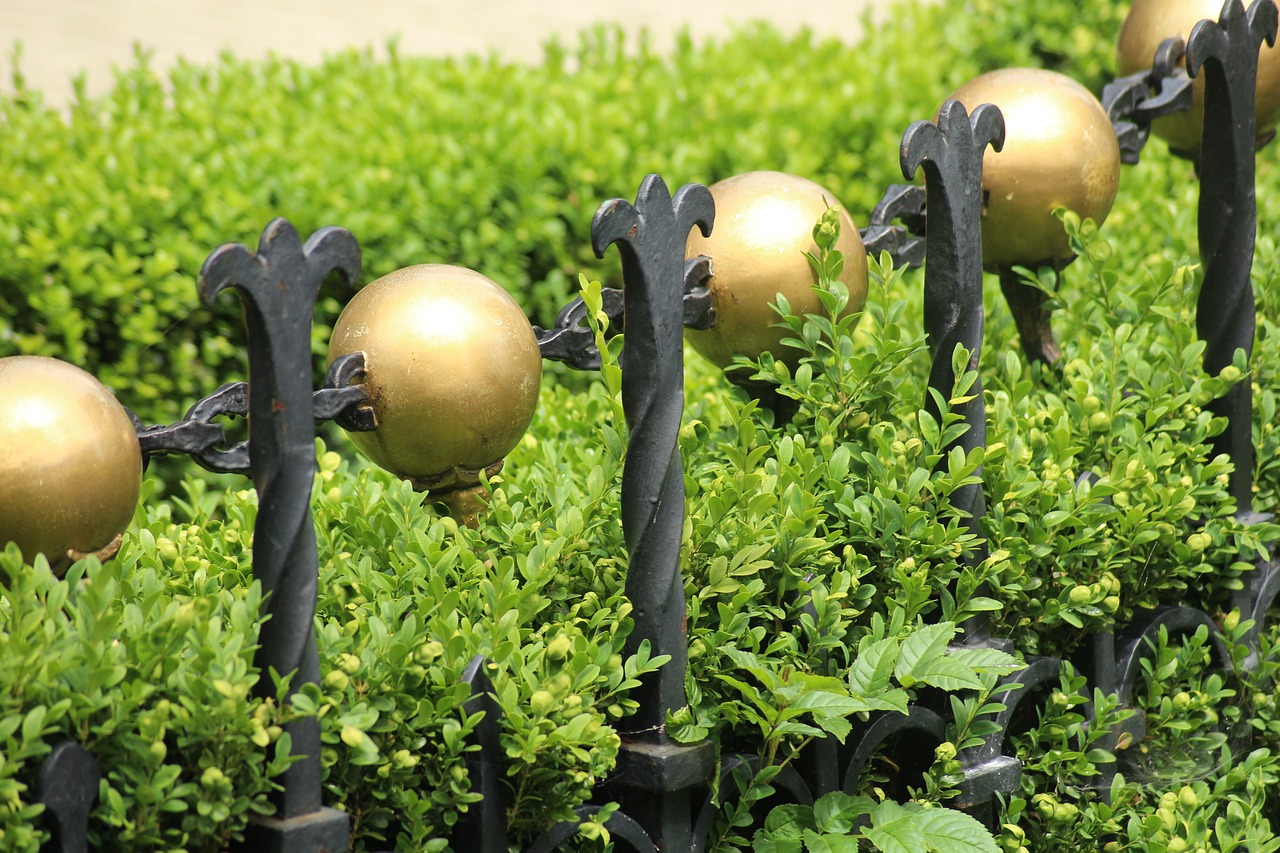
For especially stubborn situations, you can employ a number of fencing or barrier options to improve the health of your garden. Raised beds and containers are excellent solutions for burrowing pests like moles and rabbits.
Buried chicken wire may be labor-intensive to install beneath your garden, but it can help with extreme and chronic issues with creatures like this. Individual wire cloches can also go a long way in keeping small rodents and rabbits off of plants like lettuce and cabbage.
#4. Use A Variety Of Repellents
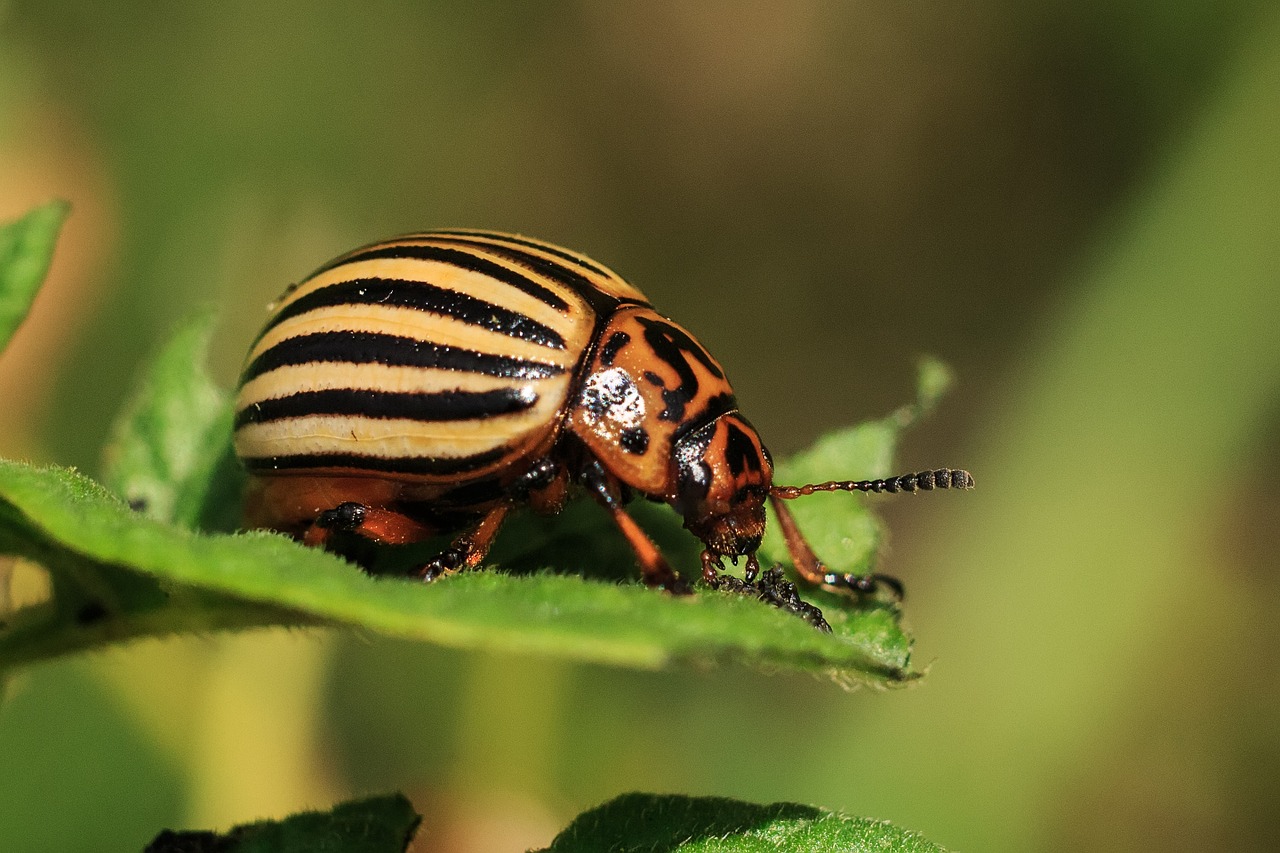
There are many different natural and chemical repellents that can be used safely and effectively in the garden. Most target one particular kind of invasive species, so that makes identifying the threat much more important.
While you can make certain repellents at home with natural ingredients, others may require safe handling and special considerations in order to work properly.
#5. Bring In The Professionals
Never hesitate to enlist the work of pest control professionals when you have an invasion or infestation in your garden. They can take a lot of the guesswork out of diagnosing problems and targeting the best solutions.
Their access to the right tools and their ability to monitor prevention and progress often go far beyond what any individual gardener can manage on their own. Plus, this allows you more time to enjoy your garden and the fruits of its labor.
About the Author Laura Bennett
Hello, I’m Laura Bennett. I love nature especially when it comes to flowers and different kinds of plants. I started a very small garden behind my house and I named it Humid Garden. So, I created this blog to provide aspiring and inspiring thoughts about gardening for gardeners and anyone who has the intention of keeping a garden.
Related Posts
01 May, 2023The 3 Best Tips For Effective Pest Management On A Homestead
14 Dec, 2022Top 10 Common Household Pest
05 Aug, 20225 Poison-Free Ways to Get Rodents Out Of Your Home
08 Feb, 2022What Causes Cockroaches to Invade Your Home and Garden?
22 Jul, 2021Top 8 Pest Control Methods That Are Natural and Effective

